We started this in 2018 with a specific problem in mind
Most emotional intelligence training felt disconnected from how people actually process and apply this stuff in their lives. We wanted something that worked differently.
What we built instead
The initial concept came from working with community mental health programs across different regions and noticing how people learn these skills best when they can talk through scenarios with others who are dealing with similar situations. That's where the discussion component became central to everything we do.
Our seminars put you in conversation with people from different backgrounds who bring completely different perspectives to the same emotional challenges. You're not just absorbing content, you're processing it through dialogue with peers who see things from angles you haven't considered yet.
The structured topic delivery gives you frameworks to work with, but the real learning happens when someone challenges your interpretation or shares how they applied a concept in a way you didn't expect. That's when understanding shifts from theoretical to practical.
We focus on helping you develop skills you can actually use rather than just understanding emotional intelligence as an abstract concept. The difference shows up in how participants describe their experience months later.
How our seminar structure actually works
In-depth exploration
Each topic gets dissected through multiple angles with case studies that mirror real situations you encounter. We spend time on the nuances that other programs skim over because that's where actual understanding develops.
Peer discussion elements
Structured conversations with other participants let you test your understanding against different viewpoints. These exchanges often reveal blind spots in how you interpret emotional dynamics that you wouldn't catch on your own.
Practical application focus
Every concept connects directly to scenarios you'll face in professional and personal contexts. We prioritize tools you can implement immediately rather than theoretical frameworks that sound good but don't translate to action.
Who develops and facilitates these seminars
Our facilitators come from backgrounds in psychology, organizational development, and mental health practice. They design content based on research but focus on making it accessible and immediately applicable.
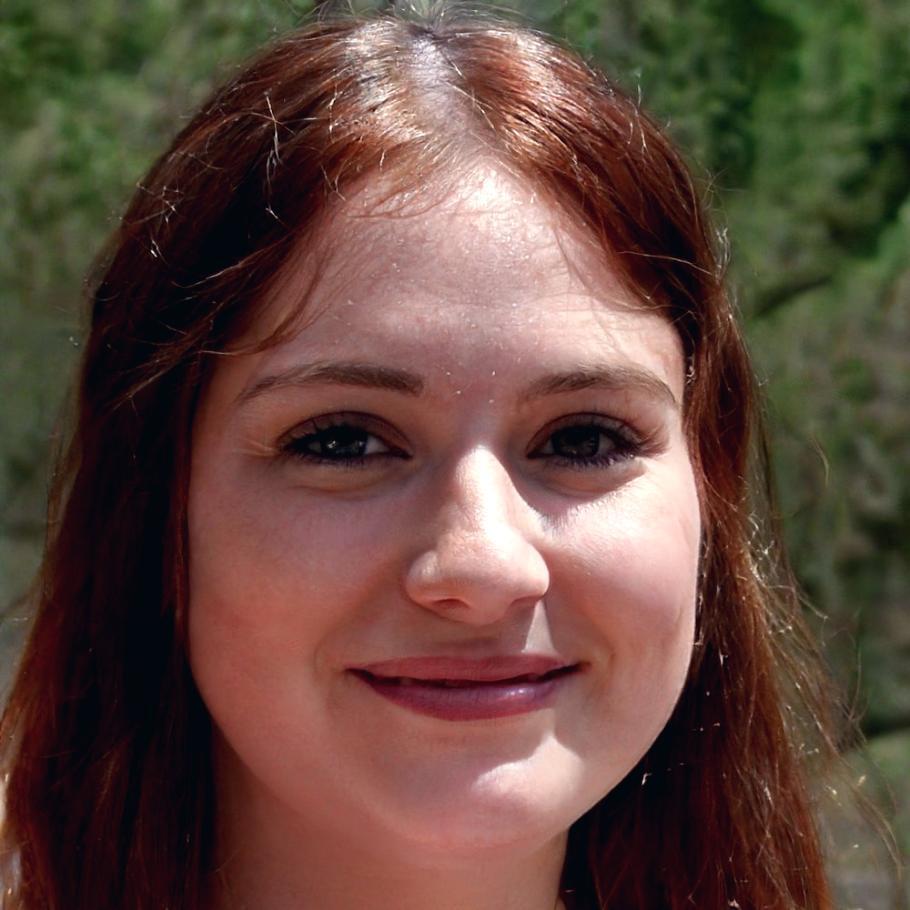
Liora Brennan
Senior FacilitatorPreviously spent eight years working with community mental health programs across Southeast Asia before bringing that experience to online education. Her approach emphasizes group dynamics and how people actually internalize emotional concepts through conversation rather than lecture.
She structures discussions to surface the assumptions participants bring to emotional situations, then uses those moments to introduce frameworks that reframe how they interpret interpersonal dynamics. The focus stays on practical skill development that people can apply in their specific contexts.